Choosing Custom Audio Transformers for global sourcing requires more than comparing prices and catalog photographs. These components influence signal clarity, impedance matching, noise levels, and long-term equipment reliability. A transformer may look suitable on paper, yet perform poorly after installation. Small details matter.
Experienced buyers begin with measurable requirements. Define impedance, turns ratio, frequency response, power rating, mounting dimensions, and insulation needs. Ask suppliers for test reports, winding specifications, sample units, and production tolerances. A clear technical drawing prevents costly misunderstandings across languages and time zones. It also gives engineers a reliable basis for comparison.
Supplier evaluation deserves equal attention. Review manufacturing experience, quality controls, material traceability, and inspection procedures. A capable factory should explain its core material, copper wire grade, shielding method, and final testing process. Request an independent sample review when the application is sensitive. Check packaging, lead times, minimum order quantities, and communication practices before signing a purchase agreement.
No sourcing plan is perfect. Specifications may change after testing. A sample can pass laboratory checks but reveal hum during field use. That possibility deserves honest attention. Keep a small pilot order before committing to larger volumes. Record test results, corrective actions, and supplier responses. This evidence supports better decisions and strengthens accountability.
Global sourcing also requires careful documentation. Confirm product labeling, import paperwork, electrical safety expectations, and destination-market requirements with qualified professionals. Reliable sourcing is not simply about finding Custom Audio Transformers at the lowest cost. It is about balancing performance, consistency, compliance, service, and total ownership risk. That balance protects both product quality and customer trust.
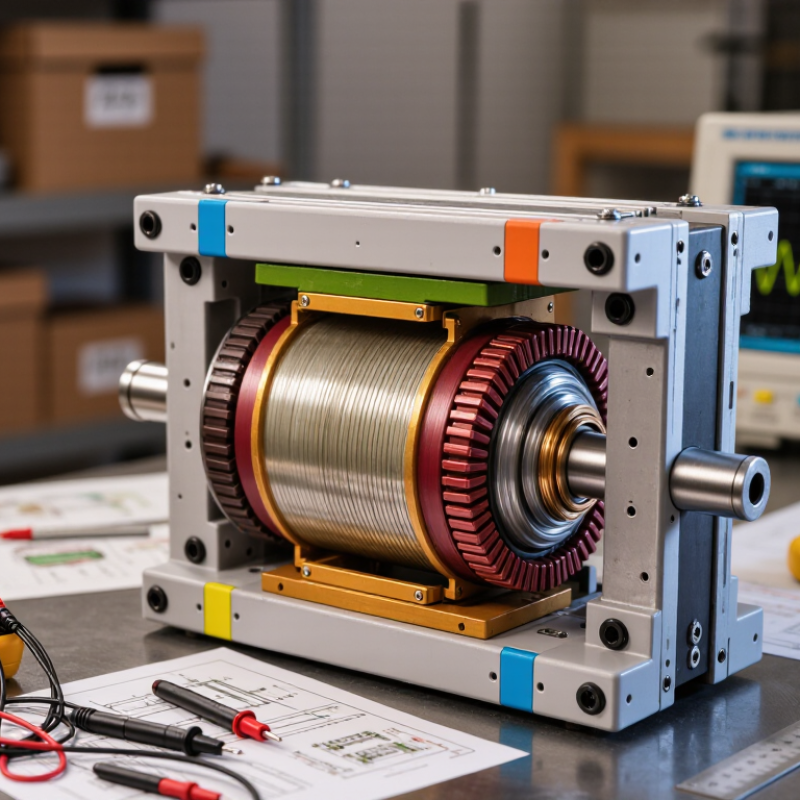
Define Audio Transformer Requirements for the Target Application
How to Choose Custom Audio Transformers for Global Sourcing?
Define Audio Transformer Requirements for the Target Application
Start with the signal path, not the supplier catalog. Specify input and output impedance, nominal level, frequency range, distortion, isolation voltage, and allowable insertion loss. A microphone transformer may need high sensitivity and low noise. A power audio transformer needs thermal margin and stable performance under continuous load. Define the enclosure space too. A transformer that fits the circuit may still fail inside a 45-millimeter chassis.
Market demand supports careful specification. PwC’s 2024–2028 Global Entertainment & Media Outlook projects industry revenue growth from about US$2.8 trillion in 2023 to US$3.4 trillion by 2028. AVIXA’s 2024 Industry Outlook and Trends Analysis expects professional audiovisual spending to exceed US$400 billion by 2029. These figures indicate expanding equipment variety, not one universal transformer design. IEC 62368-1 requirements may affect insulation, creepage, clearance, and production testing. AES guidance can help engineers evaluate balanced interfaces and digital-audio environments.
Ask for frequency-response plots at realistic source and load impedances. Request saturation data at low frequencies, not only a nominal 1 kHz test. Check shielding effectiveness near converters, displays, and switching supplies. Some assumptions will be wrong. Prototype with the actual cable length and enclosure materials. Then compare samples across temperature, vibration, and batch variation. Document every acceptance limit before global sourcing begins.
Compare Core Designs, Materials, and Electrical Specifications
Choosing custom audio transformers for global sourcing starts with the core design. EI laminated cores are economical and easy to modify, while toroidal cores reduce leakage flux and mechanical hum. C-cores can offer strong linearity, but manufacturing costs may rise. Compare these trade-offs against enclosure size, expected power, and installation space.
Material selection affects both sound and supply risk. Silicon steel suits cost-sensitive power transformers. Nickel alloys often support higher permeability and improved low-frequency response. Copper windings remain standard, yet material volatility deserves attention. The USGS Mineral Commodity Summaries 2024 reported approximately 22 million metric tons of global copper mine production in 2023. That figure indicates scale, not guaranteed pricing. Insulation systems also need thermal ratings, moisture resistance, and documented safety testing.
Electrical specifications should be tested, not simply copied from a drawing. Verify impedance ratio, primary inductance, winding resistance, insertion loss, frequency response, phase shift, and total harmonic distortion. A small impedance error can alter amplifier loading. In production samples, measure performance at actual load levels and temperatures. IEC 62368-1 provides a useful safety framework for audio equipment, but it does not replace application-specific validation. I would also request lot-level test records, because one approved sample can hide inconsistent winding tension or core gaps. That is an uncomfortable detail. It matters during global sourcing.
Assess Manufacturers Through Quality, Compliance, and Production Capacity
When sourcing custom audio transformers, evaluate the manufacturer’s quality process, not just the sample unit.
Ask how winding tension, core assembly, and insulation are checked during production. A clean-looking prototype can still hide uneven winding or inconsistent electrical performance. Request test records for relevant specifications, such as turns ratio, inductance, and insulation resistance. Compare results across several units, not one.
Details matter.
Compliance deserves careful review.
Confirm which safety and environmental requirements apply to the transformer’s intended use and destination market. Ask for current test reports and supporting material declarations, then verify that the documents match the exact design and factory. A certificate for a similar part may not cover your custom version.
Paperwork can be confusing.
Clarify who maintains it when materials or construction change.
Production capacity is more than a monthly output figure.
Discuss available winding equipment, operator training, lead times, and how the factory handles a rush order without skipping inspections. A pilot run can reveal whether the process stays consistent beyond the first few samples. Check how defects are recorded and corrected. I would also ask for a realistic schedule, including time for testing and shipping. Forecasts are often imperfect, and buyers can contribute to delays by changing specifications late. Share drawings, target volumes, and acceptance criteria early, then review them together before tooling or production begins.
Evaluate Global Sourcing Costs, Logistics, and Supply Chain Risks
Choosing custom audio transformers for global sourcing requires more than comparing unit prices. In supplier audits, I check winding materials, core dimensions, insulation systems, and test records. A lower quotation can hide tooling fees, engineering changes, or expensive minimum order quantities. Ask for a clear cost sheet covering samples, molds, packaging, inspection, freight, duties, and payment terms.
Logistics can change the decision quickly. A transformer may leave the factory in five days but wait weeks for consolidation. I compare air, sea, and rail options using actual shipment weights and delivery windows. Moisture-resistant packaging matters, especially when cartons cross humid ports. Confirm carton dimensions, labeling, export documents, and spare-unit policies before production begins. Small details matter.
Supply chain risk deserves practical testing. Request production samples from the intended line, not only laboratory prototypes. Review electrical test methods, traceability records, capacity evidence, and backup sources for copper, cores, and insulation materials. A second supplier may reduce disruption, but matching specifications can take months. I have seen projects delay because a substitute core changed frequency response. That assumption was too optimistic. Recheck it.
Use a written approval process for drawings, tolerances, safety requirements, and change control. Include incoming inspection limits for impedance, resistance, insulation strength, and audible noise. Forecast changes should reach the supplier early. Still, forecasts are imperfect. A small pilot order can reveal packing damage, lead-time variation, and communication gaps before a larger commitment.
Validate Samples and Finalize a Reliable Custom Supply Agreement
A sample can look perfect on a desk and still fail inside an amplifier. Test each custom audio transformer in the intended circuit, not only on a supplier’s bench. Check turns ratio, winding resistance, inductance, and frequency response against agreed limits. Listen for hum, distortion, and unexpected noise at realistic signal levels. Measure temperature after a sustained load; a quick test may miss heat buildup.
Keep the test setup consistent. Record the instrument settings, ambient temperature, and sample identification, then share the results with the supplier. Request samples from the intended materials and production process. A hand-built prototype may not represent repeat manufacturing. That gap matters. I have seen small differences in winding tension change results, though the cause is not always obvious. Repeat key tests on more than one sample before approval.
Put the acceptance criteria into the supply agreement. Specify drawings and revisions, approved materials, inspection methods, tolerances, packaging, and delivery dates. Define what happens when a shipment fails inspection, including replacement timing and responsibility for retesting. Add a written process for approving design changes; even a minor core or wire substitution can affect performance. Keep the language practical and measurable. If a requirement is difficult to verify, revise it before signing. Good paperwork cannot fix a weak sample, but it can prevent avoidable disputes when production begins.
Custom Audio Transformer Sample Validation Targets
The chart shows practical reference targets for comparing transformer samples before finalizing a global supply agreement. A balanced design should maintain a near-flat frequency response across the audible range while controlling distortion at both low and high frequencies.
Reference checkpoints are expressed as relative level in decibels (dB) against the 1 kHz output. Use the same load, drive level, wiring, and measurement bandwidth when validating supplier samples.
FAQS
Review quality controls, production capacity, compliance records, and repeatability beyond one attractive sample.
Ask how winding tension, core assembly, insulation, and electrical performance are checked during production.
Request records for turns ratio, inductance, winding resistance, frequency response, and insulation resistance.
One unit may hide variation. Compare multiple samples to reveal inconsistent winding or electrical results.
Confirm reports match the exact design, materials, factory, and destination requirements. Similar documents may not apply.
Discuss equipment, operator training, lead times, rush-order procedures, inspections, and defect-correction records.
Test it inside the intended amplifier circuit, using realistic signal levels and a consistent setup.
Measure turns ratio, resistance, inductance, frequency response, temperature, hum, distortion, and unexpected noise.
A hand-built prototype may not represent repeat manufacturing. Small winding differences can change performance.
Define drawings, revisions, materials, tolerances, inspections, packaging, delivery dates, retesting, and design-change approval.
The agreement should define replacement timing, corrective responsibility, and who pays for repeat testing.
No. Clear paperwork prevents disputes, but it cannot repair poor performance or unstable production.
Conclusion
Selecting Custom Audio Transformers for global sourcing requires a structured evaluation of both technical performance and supplier reliability. Begin by defining the transformer’s intended application, including impedance, power, frequency response, isolation, size, mounting method, and operating environment. Then compare core structures, winding materials, insulation systems, shielding options, and electrical specifications to ensure the design meets performance and durability requirements. Clear documentation at this stage helps prevent costly revisions later.
Supplier assessment should cover manufacturing capability, quality-control procedures, testing methods, certifications, production capacity, and communication responsiveness. Buyers should also calculate total sourcing costs, including tooling, packaging, transportation, duties, lead times, and potential supply-chain disruptions. Before placing a full order, request samples and conduct electrical, mechanical, thermal, and reliability tests under realistic conditions. A dependable supply agreement should define approved specifications, inspection standards, delivery expectations, change-control procedures, warranty responsibilities, and corrective-action processes, creating a stable foundation for long-term international cooperation.