Discover expert articles, design guides, and technical solutions for magnetic components, power electronics, and custom transformer applications.
Choosing LED Driver Power Supplies for global projects requires more than comparing wattage and price. The driver controls current, thermal behavior, dimming performance, and long-term reliability. A poor match can cause flicker, buzzing, premature LED failure, or unstable brightness. These problems often appear after installation, when replacement costs become difficult to manage.
Dr. Jianzhong Jiao, a recognized lighting electronics specialist, has stated, “The LED driver is the heart of an LED lighting system.” This practical view remains important for buyers evaluating suppliers across different markets. Input voltage, output current, power factor, surge protection, efficiency, and ingress protection should be checked together. Certification also matters, but certificates alone do not prove real field performance.
This guide examines China-made LED Driver Power Supplies for commercial, industrial, architectural, and outdoor applications. It compares product specifications, manufacturing quality, customization options, testing procedures, and supplier communication. Samples should be tested under actual load conditions. Ask for temperature-rise data, lifetime estimates, warranty terms, and independent test reports.
Small details matter.
A driver rated for 100 watts may not suit a 100-watt LED module continuously. Ambient temperature, enclosure ventilation, cable length, and dimming method can change the result. Buyers sometimes focus too heavily on unit price. That approach can be costly. Still, not every premium product is automatically better, and supplier claims require careful verification. A reliable decision combines documented performance, technical support, and realistic project requirements. This article offers a practical starting point for global buyers seeking dependable LED Driver Power Supplies from China.
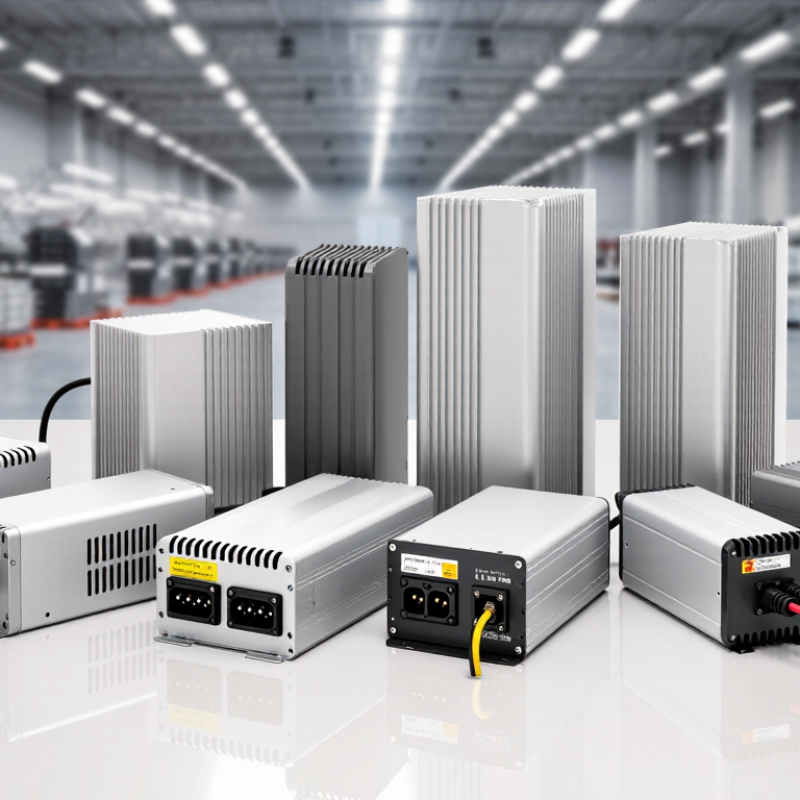
An LED driver power supply converts incoming AC or DC electricity into stable, controlled current for an LED module. It manages voltage, limits overheating, and may support dimming, surge protection, or emergency operation. Unlike a simple adapter, a driver must match the LED’s forward voltage, current range, temperature, and control method. A poor match can cause flicker, dark spots, noise, or early failure.
The opportunity is substantial. The International Energy Agency reports that lighting uses about 15% of global electricity, while LED adoption can sharply reduce energy demand. The U.S. Department of Energy also identifies thermal management and driver reliability as key factors in solid-state lighting performance. China has become a major supply source because LED chips, capacitors, controllers, housings, and assembly services often sit within the same manufacturing network. This shortens procurement cycles and supports customized output ratings for streetlights, panels, signs, and industrial fixtures.
However, low pricing is not proof of quality. A 2024 industry outlook from MarketsandMarkets indicates continued growth in the global LED driver market, driven by smart lighting and energy-efficiency projects. Buyers should still request efficiency curves, power-factor data, surge tests, insulation details, and samples under real load. Some supplier specifications look impressive but omit testing conditions. That gap deserves attention. Independent verification remains wise, especially for outdoor installations, high temperatures, and long daily operating hours.
Chinese manufacturers commonly offer constant-current drivers for LED panels, downlights, and street lighting. These supplies keep current stable, even when LED voltage changes. Constant-voltage models, such as 12V or 24V units, suit LED strips and modular signs. Matching the driver to the fixture prevents flicker, overheating, and shortened service life. Keep it simple.
AC-DC drivers convert mains electricity for indoor or outdoor lighting systems. DC-DC drivers serve battery-powered products, vehicles, and low-voltage installations. Buyers can also choose dimmable versions using PWM, 0-10V, or digital control. Waterproof models with sealed housings support wet locations, while compact indoor drivers fit narrow ceiling spaces. Heat matters. A driver rated for high output may still fail inside a poorly ventilated enclosure.
During supplier evaluation, request output-current data, efficiency curves, power-factor information, surge performance, and thermal test records. Check whether the stated IP rating applies to the complete assembly, not only its casing. Independent testing for the destination market adds useful confidence. In practice, product labels and laboratory results do not always match perfectly. That gap deserves attention. Ask for sample testing under real load, including low-voltage starts and several hours of continuous operation. Also review wiring terminals, noise levels, warranty terms, and replacement support before placing a large order.
China Best LED Driver Power Supplies for Global Buyers
How to Evaluate LED Driver Quality, Safety, and Compatibility
When global buyers compare LED driver power supplies from China, quality starts with honest electrical matching. Check input voltage, output current, wattage, and dimming method against the lamp’s actual requirements. A driver operating near its maximum rating may run hotter than expected. Leave thermal headroom. Field testing can reveal output changes after several hours inside a closed ceiling. Measure performance under load, not only from a catalogue sheet.
Safety evaluation requires more than a familiar certification mark. Request test reports, traceable model numbers, insulation details, grounding methods, and protection data. Check short-circuit, overload, and overtemperature protection. Measure the enclosure temperature during continuous operation. Use compliance documents that match the destination market and exact model. Paperwork can look complete while hiding important test conditions. That weakness deserves attention.
Compatibility includes electrical and physical behavior. Verify startup voltage, minimum load, flicker performance, PWM or 0-10V control, connector polarity, cable length, and enclosure dimensions. A driver may power an LED while creating visible flicker or audible buzzing. Test it with the final lamp and control system. Do not rely on one sample alone. Batch consistency matters. Request aging data, production inspection records, and a clear warranty process. Buyers may still overlook airflow around the mounting surface. No evaluation is perfect.
China Best LED Driver Power Supplies for Global Buyers
Main Applications for China-Made LED Driver Power Supplies
China-made LED driver power supplies serve many lighting projects worldwide. Indoor commercial lighting often uses compact constant-current drivers. They fit panels, downlights, display cabinets, and office fixtures. In these spaces, stable output prevents visible flicker and uneven brightness.
Outdoor applications demand stricter protection. Streetlights, parking-area luminaires, billboards, and architectural lighting face rain, dust, vibration, and temperature changes. Buyers should check the IP rating, operating temperature, surge protection, and input-voltage range. A driver for a coastal project may need better corrosion resistance than one used indoors. Small details matter.
Industrial facilities use drivers for high-bay lights, warehouse fixtures, and inspection lighting. These projects may require dimming, emergency integration, or high power-factor performance. Greenhouses and vertical farms also use specialized drivers for long operating hours. Heat control becomes critical there. Poor ventilation can shorten service life quickly.
From practical sourcing experience, matching the driver to the LED load is more important than choosing the highest wattage. Engineers should review voltage tolerance, current accuracy, wiring distance, and installation space. Sample testing under real temperatures can reveal problems that datasheets miss. No design is perfect. An early prototype may expose noise, heat, or dimming issues. That feedback should change the final specification. Clear test records and traceable production documents help global buyers make safer decisions.
| Application | Typical Power Range | Common Input | Typical Output | Recommended Protection | Typical IP Rating | Common Dimming Options | Key Buyer Requirements |
|---|---|---|---|---|---|---|---|
| Residential Lighting | 5–150 W | 100–240 VAC, 50/60 Hz | Constant current, commonly 12–60 VDC | Short-circuit, over-temperature, over-voltage and overload protection | IP20IP44 | TRIAC, 0–10 V, DALI or non-dimming | Low audible noise, compact size, stable output and compliance with the target market’s safety requirements |
| Commercial Downlights and Panel Lights | 20–200 W | 100–277 VAC, 50/60 Hz | Constant current, commonly 250–1,500 mA | Input surge protection, open-load protection and thermal protection | IP20IP44 | 0–10 V, DALI, PWM or resistance dimming | High power density, flicker control, reliable dimming performance and compatibility with the luminaire’s LED module |
| Industrial High-Bay Lighting | 100–480 W | 120–347 VAC or 100–277 VAC | Constant current, commonly 700–2,000 mA | Surge protection, short-circuit protection and over-temperature protection | IP65IP67 | 0–10 V, DALI or programmable dimming | Wide operating temperature range, strong thermal design, high efficiency and resistance to electrical disturbances |
| Street and Roadway Lighting | 50–400 W | 100–277 VAC or 120–347 VAC | Constant current, commonly 500–1,500 mA | High-level surge protection, overload, short-circuit and thermal protection | IP65IP66 | 0–10 V, DALI, PWM or auxiliary control interface | Outdoor sealing, long service life, surge protection suited to local conditions and compatibility with photocell or control systems |
| Floodlights and Sports Lighting | 100–1,000 W | 100–277 VAC, 50/60 Hz | Constant current, commonly 1,000–3,500 mA | Surge, over-current, over-voltage, short-circuit and thermal protection | IP65IP66IP67 | 0–10 V, DALI, PWM or fixed output | High output stability, weather-resistant enclosure, effective heat management and appropriate cable or connector sealing |
| LED Strip and Linear Lighting | 30–600 W | 100–240 VAC or 200–240 VAC | 12 VDC or 24 VDC constant voltage | Short-circuit, overload, over-voltage and over-temperature protection | IP20IP65IP67 | PWM, 0–10 V, DALI or phase-cut dimming | Correct voltage matching, low output ripple, adequate wattage margin and suitable indoor or outdoor enclosure design |
| Signage and Advertising Lighting | 60–500 W | 100–277 VAC | 12 VDC or 24 VDC constant voltage | Short-circuit, overload, surge and moisture-related protection | IP65IP67 | PWM or non-dimming | Outdoor durability, stable voltage under variable load, corrosion resistance and sufficient reserve capacity |
| Tunnel and Underpass Lighting | 100–600 W | 120–277 VAC or 120–347 VAC | Constant current, commonly 700–2,000 mA | Enhanced surge protection, thermal, overload and short-circuit protection | IP65IP66 | 0–10 V, DALI or centralized control | Continuous-operation reliability, wide temperature tolerance, high ingress protection and compatibility with emergency-control systems |
| Horticultural and Grow Lighting | 100–1,000 W | 120–277 VAC | Constant current, commonly 1,000–3,500 mA | Over-temperature, overload, short-circuit and input surge protection | IP65IP67 | 0–10 V, DALI, PWM or programmable control | High efficiency, low flicker, moisture resistance, thermal stability and compatibility with the required lighting schedule |
| Emergency and Backup LED Lighting | 5–100 W | 100–240 VAC, 50/60 Hz | Constant current or 12–48 VDC constant voltage | Battery protection, short-circuit, overcharge and over-discharge protection | IP20IP65 | Automatic emergency switching or non-dimming | Reliable transfer operation, battery-system compatibility, clearly defined emergency runtime and applicable local safety compliance |
| Marine and Coastal Lighting | 50–300 W | 100–277 VAC or 12–48 VDC | Constant current or constant voltage | Surge, reverse-polarity, short-circuit and thermal protection | IP66IP67 | 0–10 V, PWM or non-dimming | Salt-mist resistance, sealed construction, corrosion-resistant materials and stable operation in humid environments |
| Retail and Display Lighting | 10–150 W | 100–240 VAC, 50/60 Hz | Constant current, commonly 250–1,050 mA | Short-circuit, overload and over-temperature protection | IP20IP44 | TRIAC, 0–10 V, DALI or phase-cut dimming | Low flicker, quiet operation, accurate dimming, compact dimensions and good compatibility with track or display luminaires |
China Best LED Driver Power Supplies for Global Buyers
How Global Buyers Can Select Suppliers and Manage Imports
LED driver selection should begin with application data, not a low quotation. The International Energy Agency’s Energy Efficiency 2024 report estimates lighting uses about 5% of global electricity. Efficient drivers can reduce heat, flicker, and maintenance costs. However, efficiency figures need operating conditions. Ask for input range, output tolerance, power factor, efficiency, dimming method, and lifetime at a stated temperature.
Supplier verification needs physical evidence. Request current safety reports, EMC test records, traceable component lists, and samples from the same production line. IEC 61347-1 and IEC 61347-2-13 provide useful safety references for lighting controlgear. A practical audit should inspect burn-in procedures, surge testing, calibration records, and rejected-unit handling. Datasheets can look perfect. They are not proof.
Import management deserves equal attention. UNCTAD’s Review of Maritime Transport 2024 states that ships carry over 80% of world trade by volume. Confirm Incoterms 2020, carton dimensions, moisture protection, spare-unit percentages, and customs documents before shipment. Use a pre-shipment inspection with load testing at different voltages. Keep serial numbers and test results. One weakness remains common: buyers compare unit prices but ignore warranty reserves, port delays, and local compliance testing. I have seen that approach fail on paper first, then in the warehouse.
Nominal single-phase AC mains voltage is a key specification when selecting LED driver power supplies and preparing imports. Buyers should confirm the driver’s input range, local electrical requirements, certification needs, and shipment documentation before placing an order.
Reference: Typical nominal mains-voltage values based on IEC 60038 conventions and commonly used national supply systems. Actual site voltage and regulatory requirements may vary, so buyers should verify local conditions before purchase.
It converts AC or DC electricity into controlled power for an LED module. It also limits overheating and may support dimming or surge protection.
The driver must match voltage, current, temperature, and control method. A poor match can cause flicker, dark spots, noise, or early failure.
Constant-current drivers keep LED current stable when voltage changes. Constant-voltage models, such as 12V or 24V units, suit strips and modular signs.
AC-DC drivers suit mains-powered lighting systems. DC-DC drivers fit batteries, vehicles, and low-voltage installations.
Common options include PWM, 0-10V, and digital control. Confirm compatibility with the fixture and controller before ordering samples.
Not automatically. Check the complete assembly’s IP rating, sealing, cable entries, and thermal performance. A sealed housing can still trap heat.
Request efficiency curves, power-factor data, surge tests, insulation details, and thermal records. Also request samples under real load for several hours.
Labels and laboratory results do not always match perfectly. Independent testing can reveal problems during low-voltage starts, high temperatures, or continuous operation.
Components and assembly services often operate within one manufacturing network. This can shorten procurement cycles and support customized ratings for panels, signs, and streetlights. Low pricing is not proof of quality.
LED Driver Power Supplies convert incoming electrical power into the stable current and voltage required by LED lighting systems. China has become a major sourcing center because its manufacturers offer broad product ranges, flexible customization, competitive production costs, and experience serving different international markets. Global buyers can find constant-current, constant-voltage, indoor, outdoor, waterproof, dimmable, and smart-control solutions for residential, commercial, industrial, and architectural lighting applications.
To evaluate a suitable product, buyers should check output stability, efficiency, thermal management, protection functions, electrical certifications, ingress protection, load compatibility, and expected service life. Supplier selection should also consider manufacturing capability, quality-control procedures, technical support, communication, packaging, and consistency between samples and bulk orders. Before importing, buyers should confirm specifications, testing documents, labeling requirements, shipping terms, lead times, and customs responsibilities. A clear agreement and pre-shipment inspection can help reduce quality risks and support reliable long-term cooperation.