Discover expert articles, design guides, and technical solutions for magnetic components, power electronics, and custom transformer applications.
In the world of electrical engineering, the demand for high-performance Custom Current Sense Transformers is rising. These transformers play a crucial role in accurately measuring currents in various applications. As technology advances, manufacturers strive to create tailored solutions that meet specific client needs. Quality and precision are paramount when selecting these components.
Global buyers seek transformers that not only perform well but also are cost-effective. Customization options vary widely, prompting potential users to carefully evaluate their requirements. Factors like size, accuracy, and temperature stability become significant. This complexity can sometimes lead to decision fatigue, highlighting the need for expert guidance in the selection process.
It's essential to recognize that not all Custom Current Sense Transformers are created equal. Some may fall short in terms of reliability or performance. Therefore, careful consideration and thorough research are necessary. Understanding the manufacturer’s expertise is vital to ensure you choose the right transformer for your application. Emphasizing quality and customization can significantly enhance operational efficiency and performance.
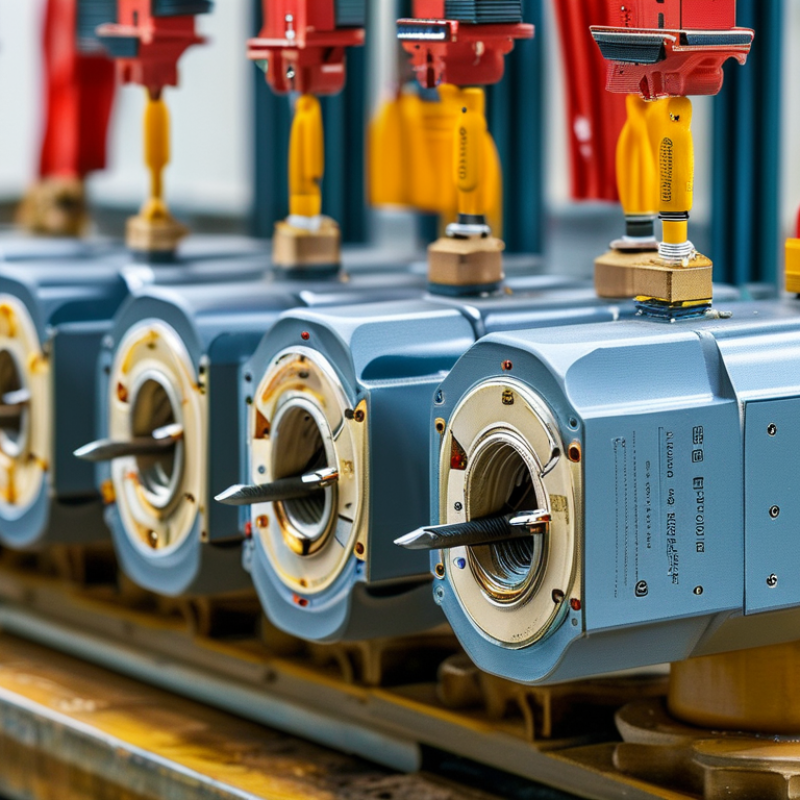
Current sense transformers are crucial components in various electrical applications. They provide accurate measurement of alternating current (AC) and direct current (DC). Globally, their usage spans across energy management, industrial control, and automotive sectors. According to a recent market research report, the global current sense transformer market is expected to grow at a CAGR of 5.8% from 2023 to 2030. This growth showcases the increasing demand for precise electrical monitoring.
There are several types of current sense transformers available worldwide. The most common are the Hall effect transformers, which are praised for their accuracy. They perform well in high-current applications. Another type is the resistive transformer. While cost-effective, they may not provide the same level of accuracy under fluctuating conditions. Furthermore, there are also high-frequency transformers, suitable for RF applications, yet they can experience limitations in terms of load capabilities.
As buyers explore options, they must consider factors like voltage rating and thermal performance. These details are crucial for proper application. Despite technological advancements, some transformers still face issues, like saturation under high currents. Understanding these nuances can lead to better choices for specific needs and enhance overall performance. The future of current sense transformers relies on continual improvements and innovations to meet evolving demands.
Selecting a high-quality current sense transformer is crucial for effective sensing in various applications. There are key factors to consider. For instance, the transformation ratio significantly impacts accuracy. A study by an industry research firm stated that a 10% variation in the transformation ratio can lead to significant errors in measuring currents. Buyers must understand this aspect to ensure precision in their applications.
Another important consideration is thermal stability. Quality transformers can operate efficiently across a wide temperature range. A report from a leading technology firm indicated that transformers lacking in thermal stability can degrade performance by up to 25% under elevated thermal conditions. This factor cannot be overlooked, particularly for industries with fluctuating environmental conditions.
Noise reduction is equally critical. Modern transformers incorporate advanced materials to minimize electromagnetic interference. Data shows that transformers with better insulation and shielding can reduce noise levels by nearly 50%. However, achieving optimal performance often requires a balance between cost and quality, leading to potential trade-offs. Understanding these nuances will empower global buyers to make informed decisions in selecting the best current sense transformers for their needs.
The demand for custom current sense transformers is rising globally. These devices play a crucial role in monitoring electrical currents in various applications, from industrial automation to renewable energy systems. A report from the Global Electronics Council highlights a significant increase in demand, projecting a growth rate of 8.5% annually in the next five years.
Several manufacturers are recognized for their expertise in producing high-quality current sense transformers. They employ advanced materials and technologies to enhance accuracy and efficiency. The average efficiency rate of reliable transformers is reported to exceed 95%. However, there are still challenges in optimizing their design for different market needs. Some manufacturers struggle with balancing cost and quality, which can lead to trade-offs in performance.
Research indicates that regional differences play a significant role in the preferences for current sense transformers. For instance, European markets may prioritize environmental compliance, while North America might focus more on reliability and technical support. It is essential for manufacturers to adapt to these regional requirements. This adaptability will ensure they remain competitive and relevant in the ever-evolving global market.
Current sense transformers play a crucial role in various applications across multiple industries. These transformers are designed to accurately measure current flow, enabling precise monitoring and control. Energy management systems often utilize them, providing insights into electrical consumption. Such insights lead to improved energy efficiency and reduced costs.
In the automotive sector, current sense transformers are essential for electric and hybrid vehicles. They help ensure the safety and performance of battery management systems. In industrial automation, these devices monitor motors and machinery. This monitoring can prevent overloads, reducing downtime and maintenance costs. Medical devices also benefit from current sensing technologies, providing reliable data for patient care.
The reliability of current sense transformers can vary. Choosing the right one can be challenging due to the wide variety in specifications. Global buyers should pay attention to factors like size, accuracy, and application compatibility. Each application may present unique challenges. Addressing these can enhance operational efficiency and safety.
The current sense transformer technology is evolving rapidly. Innovations focus on efficiency and precision. These transformers play a crucial role in measuring electrical current accurately. Their design has become more compact over the years, catering to various applications. Enhanced materials are now being used, improving thermal performance and durability.
Current sense transformers are increasingly adapting to smart technologies. This shift towards digital integration offers advanced monitoring and control. The trend is leaning towards miniaturization without sacrificing performance. However, some challenges remain. Manufacturers must balance size reduction with accuracy. This is not a trivial task.
Moreover, the industry is witnessing a push for sustainable materials. There is an ongoing need to reduce the environmental impact of manufacturing processes. However, reliability and performance cannot be compromised. Buyers face the challenge of selecting the right product amidst these evolving trends. Evaluating each option requires expertise and understanding of specific applications.
The chart above illustrates the growth of the global market for current sense transformers from 2019 to 2023. As the demand for efficient power management solutions increases, the market is expected to continue growing significantly.
: The transformation ratio significantly impacts accuracy. A 10% variation can lead to major errors in current measurement.
Quality transformers operate efficiently across temperature ranges. Lack of thermal stability can degrade performance by up to 25%.
Noise reduction minimizes electromagnetic interference. Better insulation can reduce noise levels by nearly 50%, enhancing performance.
The demand is rising globally, with an annual growth rate projected at 8.5% for the next five years.
Preferences vary by region; for example, Europe may prioritize environmental compliance, while North America focuses on reliability.
Manufacturers struggle to balance cost and quality, often leading to trade-offs in performance for different market needs.
Innovations focus on efficiency, precision, and miniaturization, but manufacturers face challenges in maintaining accuracy with size reduction.
There’s a push to reduce environmental impact, but manufacturers must ensure reliability and performance aren’t compromised.
Buyers need expertise to navigate evolving trends and select appropriate products for their specific applications.
Risks include misjudging thermal stability, noise reduction capabilities, and overlooking cost-quality trade-offs in the selection process.
Custom Current Sense Transformers play a crucial role in various industries by enabling the precise measurement of electrical current. This article explores the diverse types of these transformers available globally, highlighting their unique characteristics and applications. When selecting high-quality Custom Current Sense Transformers, key factors such as accuracy, temperature stability, and load requirements must be considered to ensure optimal performance.
Moreover, the article delves into the top manufacturers of Custom Current Sense Transformers, emphasizing their contributions to the market. As industries evolve, trends and innovations in transformer technology are shaping the future, promoting advancements that enhance efficiency and functionality. Overall, Custom Current Sense Transformers are indispensable in numerous applications, driving technological progress across different sectors.